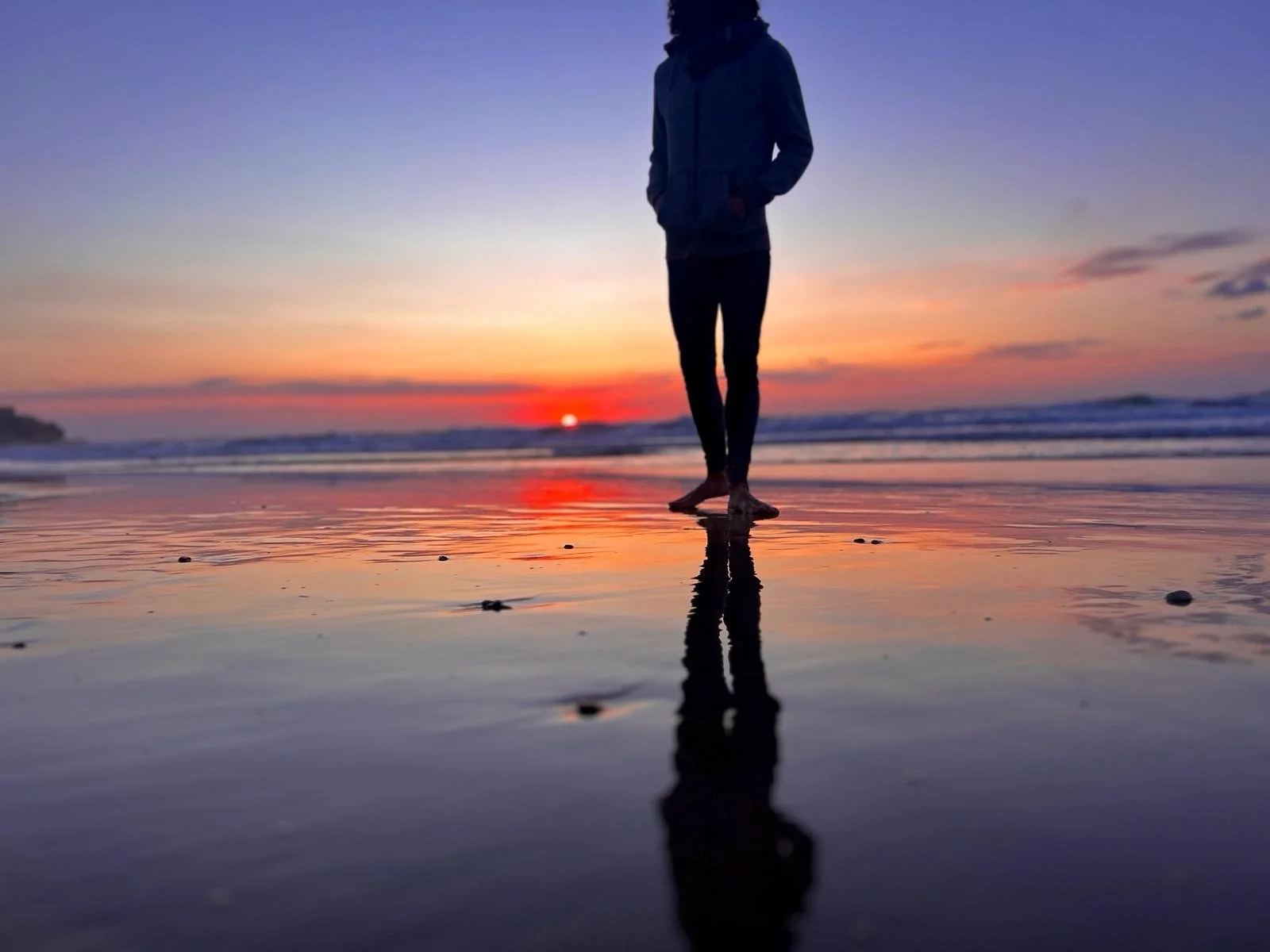
Rami Schwartzer

About
Rami Schwartzer is a rabbi, facilitator, artist, and experiential educator whose work explores presence, resilience, and the lived practices of spiritual life. For more than two decades he has shaped communities and accompanied people through threshold moments, creating spaces for reflection, connection, and transformation.
Drawing deeply from Jewish tradition while engaging many spiritual languages, Rami’s work brings spiritual life out of abstraction and into ritual and relationship, work and service, the body and the land, where people encounter what is sacred, make meaning, and create communities capable of holding the complexity of real life.
He has founded and led Ramah Day Camp Greater DC, the Den Collective, and the Tehom Fellowship, and has helped create and shape experimental spiritual communities and initiatives in a variety of settings. He teaches, facilitates, and creates in synagogues, churches, universities, retreats, hospice rooms, disaster zones, summer camps, festivals, and other places where people gather to learn, grieve, celebrate, serve, and make sense of being alive.
His creative practice focuses on participatory and immersive storytelling through theater, film, and other forms of embodied experience, often bringing artistic, spiritual, and communal practices into the same space.
Rami is a nomad, currently parked in the Blue Ridge Mountains and serving as Spiritual Life Coordinator for Warren Wilson College.
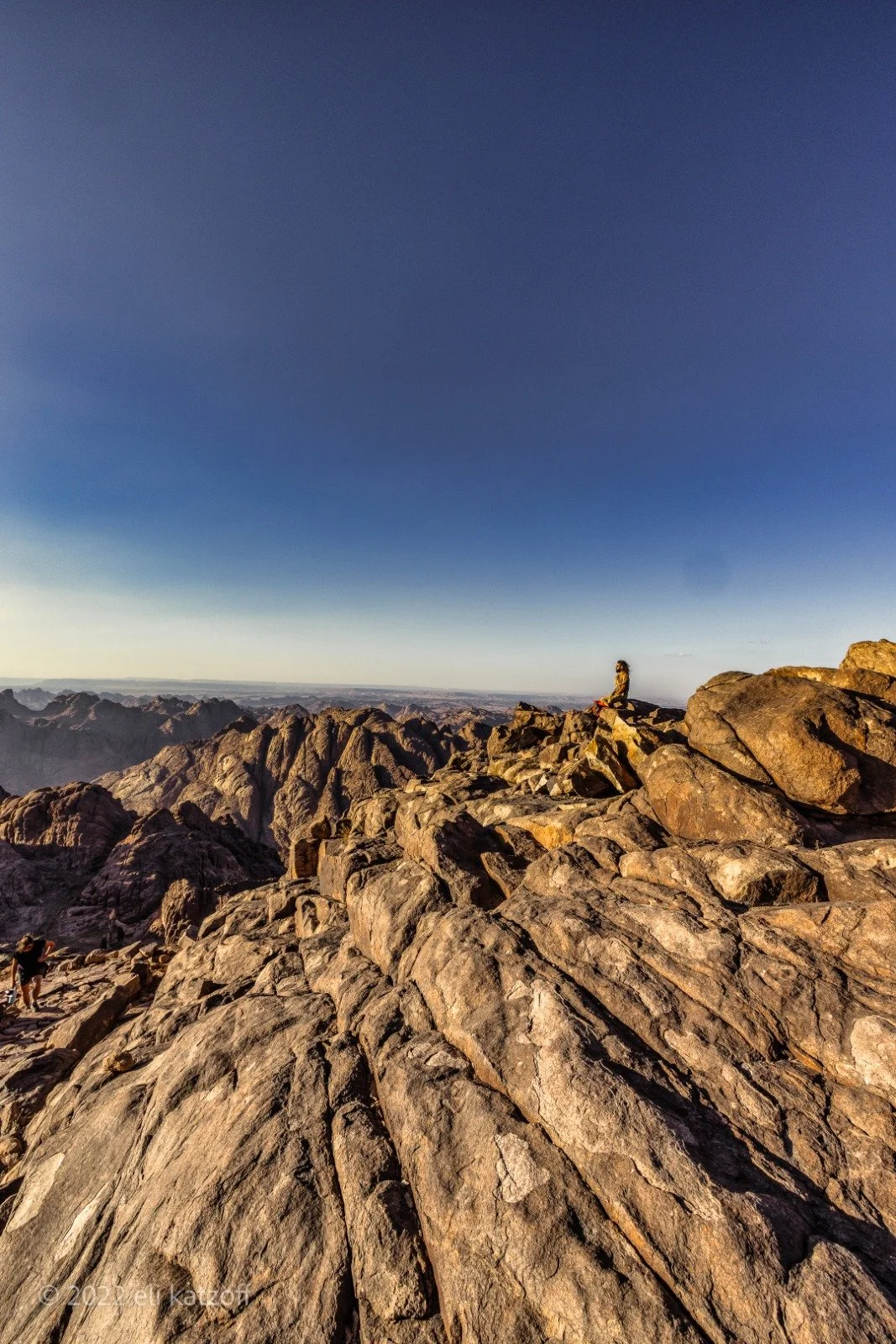
Artist Statement
I am a creature of thresholds. I find my purpose in beginnings, change, and transitions: the birth of an idea, the pivot of an organization, the uncertain terrain of a new community, or the messy, urgent response to a crisis. Twenty years of work have taught me that studying ancient Talmudic law, building a new community, managing a million-dollar fundraiser, and guiding people through vulnerable times and terrain are all components of the same craft: fieldwork in the architecture of human connection.
My early formation as a jazz musician instilled in me the spirit and logic of improvisation, which still fuels my work. I am drawn to situations that require listening, responsiveness, and a willingness to make something that does not yet exist. Much of my life has been nomadic, and I have learned to find possibility in liminal spaces, temporary communities, and the freedom to follow a question, a relationship, or an acute need wherever it leads.
My practice is a strange hybrid of spiritual inquiry and practical action, integrating rabbi, responder, producer, and wanderer. It moves between the contemplative and the logistical, the ancient and the experimental, the intimate and the communal.